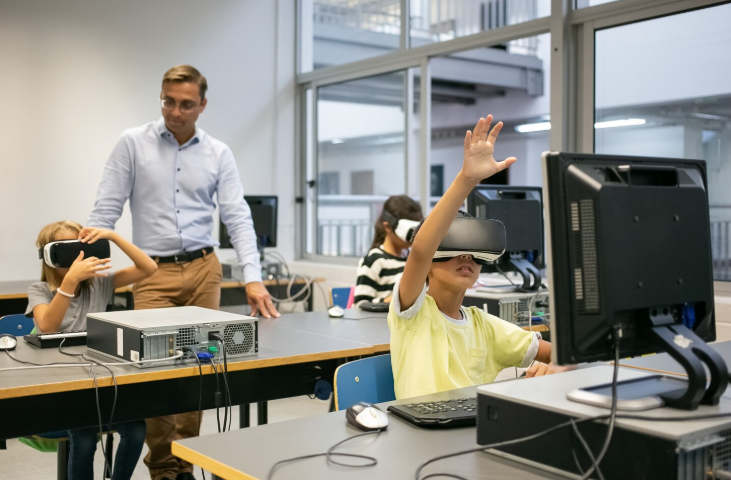
Technology is changing the way students learn, solve problems, and prepare for future careers. Modern education is no longer limited to textbooks and traditional classroom activities. Students now need practical skills such as creativity, critical thinking, teamwork, and technical understanding to succeed in a rapidly changing world. Robotic products are becoming valuable learning tools that help students develop these abilities through interactive and hands-on experiences. By working with robotics, students can explore technology, understand complex concepts, and gain skills that are useful for future opportunities.
How Robotic Products Support Practical Learning
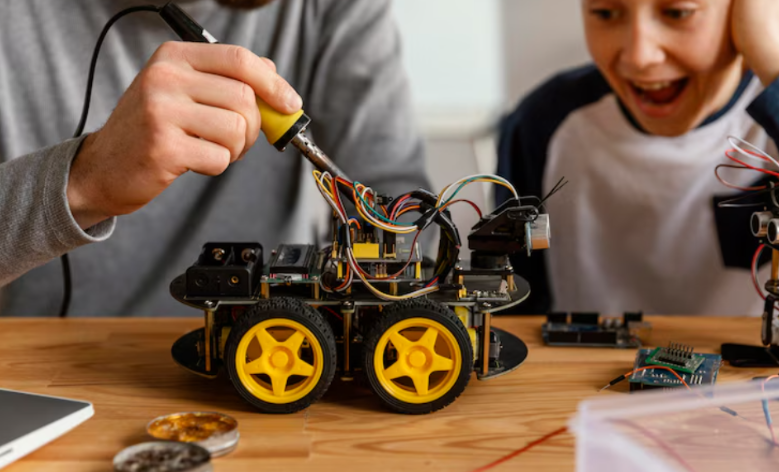
Robotic products provide students with opportunities to learn by doing rather than only studying theories. When students build, program, and operate robots, they gain practical knowledge that improves their understanding of science, technology, engineering, and mathematics concepts. This hands-on approach makes learning more engaging and helps students connect classroom lessons with real-world applications.
Through the use of robotic products, students can experiment with different ideas, test solutions, and learn from mistakes. This process encourages curiosity and develops a problem-solving mindset. Instead of simply memorizing information, students become active participants in their education and learn how to apply their knowledge in practical situations.
Developing Critical Thinking and Problem-Solving Skills
Future careers will require individuals who can analyze challenges and create effective solutions. Robotic products help students develop strong critical thinking skills by requiring them to plan, design, and improve their projects. Students must identify problems, evaluate possible solutions, and make adjustments to achieve their goals.
Working with robotics also teaches students patience and logical thinking. A robot may not work correctly on the first attempt, but students learn to examine errors, find solutions, and improve their designs. These experiences build confidence and prepare students to handle complex challenges in academic and professional environments.
Encouraging Creativity and Innovation Among Students
Creativity is an important skill in the modern world, and robotic products encourage students to think beyond traditional methods. Robotics projects allow students to create unique designs, develop new ideas, and explore different possibilities. Whether they are designing a simple educational robot or creating an advanced automated system, students can use their imagination while applying technical knowledge.
By experimenting with robotic products, students learn that innovation comes from exploring ideas and improving existing solutions. This creative approach helps them become adaptable thinkers who can contribute to future technological advancements.
Improving Teamwork and Communication Skills
Many robotics activities involve group projects where students work together to complete tasks. These activities help students develop teamwork and communication skills that are essential in future workplaces. While working with robotic products, students learn how to share ideas, divide responsibilities, and support each other during problem-solving activities.
Collaboration in robotics projects also teaches students the importance of listening to different opinions and finding solutions as a team. These social skills prepare students for professional environments where cooperation and communication are highly valued.
Preparing Students for Future Career Opportunities
The demand for technology-related skills is increasing across many industries. Fields such as engineering, healthcare, manufacturing, and artificial intelligence are becoming more connected with automation and robotics. Early exposure to robotic products helps students understand these technologies and develop confidence in using them.
Students who gain robotics experience can build a strong foundation for future studies and careers. They become familiar with programming, automation, and technological systems, which can give them an advantage in a competitive job market.
Conclusion
Robotic products play an important role in preparing students for the future by developing technical knowledge, creativity, problem-solving abilities, and teamwork skills. These tools make learning more interactive and help students gain practical experience that goes beyond traditional education methods. As technology continues to evolve, using robotic products in education can help create a generation of skilled, innovative, and future-ready learners.