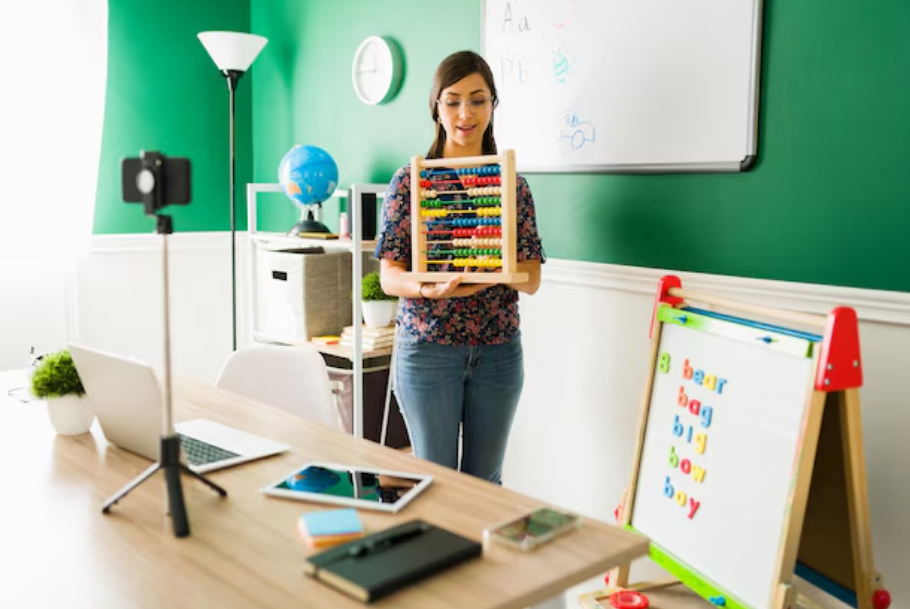
Education is no longer limited to a one size fits all approach. Parents are increasingly exploring alternatives that provide personalized instruction, flexible schedules, and supportive learning environments. Many families searching for hybrid homeschool near me are interested in educational models that combine the structure of classroom learning with the flexibility and family involvement associated with homeschooling. This balanced approach helps students receive individualized support while maintaining strong academic progress.
Understanding Hybrid Homeschool Education
Hybrid homeschooling blends traditional educational instruction with home based learning. Students typically attend classes on designated days and complete additional assignments or projects at home. This model allows families to benefit from professional educational guidance while remaining actively involved in their children’s learning journey.
The flexibility of hybrid education appeals to families who want a customized approach that can adapt to different learning styles, interests, and schedules.
Why Families Are Choosing Alternative Education Models
Every student has unique strengths, challenges, and learning preferences. Traditional educational settings may not always provide the individualized attention that some students need to reach their full potential.
Alternative education models focus on creating learning experiences that are more personalized and engaging. These environments often allow educators to better understand each student and provide instruction that supports their academic growth and personal development.
Personalized Learning and Individual Support
One of the primary advantages of hybrid education is the opportunity for personalized instruction. Smaller class sizes and flexible learning structures make it easier for educators to tailor lessons to individual student needs.
Students who need additional support can receive focused guidance, while those who excel academically can move forward at a pace that keeps them challenged. This personalized approach often contributes to stronger academic outcomes and greater student confidence.
Building Strong Relationships Between Students and Educators
Positive relationships play a significant role in educational success. Students are more likely to engage in learning when they feel supported and understood by their teachers.
Smaller learning environments encourage meaningful interactions between students and educators. Teachers can gain a deeper understanding of each learner’s goals, interests, and learning styles, creating a more supportive and encouraging educational experience.
Encouraging Independence and Responsibility
Hybrid learning models often help students develop important life skills. Because part of the learning process takes place at home, students learn how to manage their time, stay organized, and take responsibility for their academic progress.
These skills contribute to greater independence and prepare students for future educational and professional opportunities. Developing self motivation and accountability at an early age can have lasting benefits throughout life.
Flexibility for Modern Families
Many families appreciate the flexibility that hybrid education provides. Students can often balance academics with extracurricular activities, personal interests, and family commitments more effectively than in traditional educational settings.
This flexibility allows parents to play a more active role in their child’s education while ensuring that students continue to receive structured academic support and guidance.
Supporting Social and Emotional Growth
A quality education supports more than academic achievement alone. Social and emotional development are equally important for long term success and well being.
Hybrid programs often include collaborative projects, group discussions, and community activities that help students build friendships and strengthen communication skills. These experiences encourage teamwork, empathy, and confidence in social situations.
Preparing Students for Future Success
The world continues to change rapidly, making adaptability and critical thinking increasingly important. Educational models that encourage creativity, problem solving, and independent learning can help prepare students for future challenges.
Hybrid learning environments often emphasize these skills while fostering a lifelong love of learning. Students gain the confidence and resilience needed to pursue future opportunities with enthusiasm and determination.
Conclusion
Families seeking educational flexibility and personalized support have many options available today. Hybrid learning models offer a balanced approach that combines professional instruction, family involvement, and individualized education. Through smaller learning communities, flexible scheduling, and student centered teaching methods, learners can thrive academically and personally. Parents exploring programs inspired by microschool Wekiwa Springs concepts often appreciate the focus on personalized learning, meaningful relationships, and academic excellence that helps students build strong foundations for lifelong success.