




















Education today is evolving beyond traditional classrooms as families search for more
meaningful and flexible learning environments. Parents want options that focus on individual
development, creativity, and real life skills rather than rigid systems. In the middle of this shift,
micro schooling near me has become a popular search among families who are looking for
personalized alternatives that better support their children’s growth.
Microschooling is a modern approach that blends elements of homeschooling and private
education into a small, community focused setting. Typically consisting of a limited number of
students, these learning environments allow educators to provide more attention to each child.
This structure ensures that lessons can be adapted to different learning styles, helping students
grasp concepts more effectively.
One of the key reasons families are drawn to microschooling is the ability to customize
education. Unlike traditional schools that follow a fixed curriculum, microschools often design
lessons around student interests and strengths. This makes learning more engaging and
relevant. Students are encouraged to explore subjects in depth, ask questions freely, and
develop a genuine curiosity for knowledge.
Another important aspect is flexibility. Microschools can adjust schedules, teaching methods,
and pacing based on student needs. This is especially beneficial for children who may feel
overwhelmed or under challenged in standard classrooms. With fewer restrictions, students
can learn at a comfortable pace while still achieving academic goals.
Community plays a vital role in microschooling success. Smaller class sizes foster stronger
relationships between students and teachers. This creates a safe and supportive environment
where learners feel valued and understood. Collaboration becomes more natural, and students
often develop better communication and teamwork skills.
Parents also appreciate the increased involvement microschools offer. They can stay connected
with educators and have a clearer understanding of their child’s progress. This partnership
helps ensure that educational goals align with family values and expectations. It also builds
trust and transparency, which are essential for a successful learning experience.
Microschooling environments often incorporate hands on learning and real world applications.
Instead of relying solely on textbooks, students engage in projects, experiments, and practical
activities. This approach helps them understand how knowledge applies outside the classroom,
making learning more meaningful and memorable.
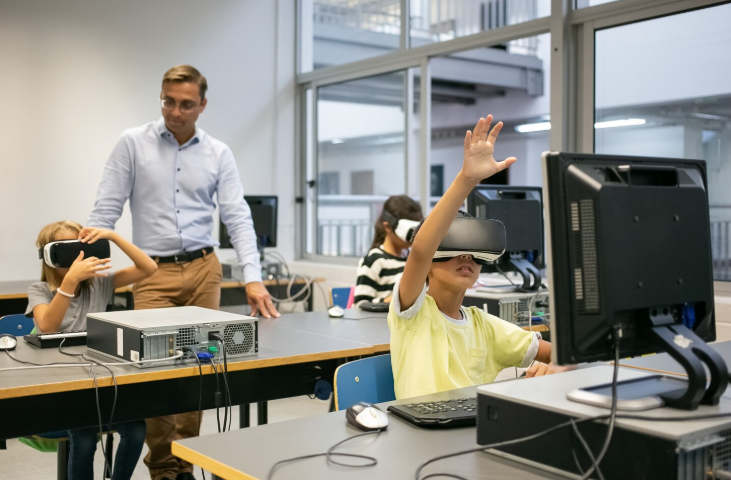
Technology is another tool that enhances microschooling. Digital resources allow students to
access a wide range of information and learn independently. Teachers can monitor progress
and provide personalized feedback, ensuring that each student stays on track. This blend of
technology and traditional teaching methods creates a balanced and effective educational
experience.
For families who already practice homeschooling, microschools offer an appealing extension.
They provide structure and social interaction while maintaining the flexibility that
homeschooling offers. This combination allows students to benefit from both independent
learning and collaborative experiences. It is a practical solution for parents who want more
support without giving up control over their child’s education.
As education continues to evolve, many families are exploring alternatives that go beyond
conventional systems. Microschooling represents a shift toward more student centered
learning, where the focus is on growth, creativity, and adaptability. It addresses many of the
challenges associated with traditional schooling and offers a more dynamic approach.
Programs like longwood homeschool illustrate how personalized education can be structured
effectively while still maintaining academic quality. These programs often combine flexibility
with guidance, ensuring that students receive a well rounded education. They highlight the
potential of microschooling to provide both freedom and structure in a balanced way.
In conclusion, microschooling is reshaping the educational landscape by offering a flexible,
personalized, and community driven approach. It empowers students to learn in ways that suit
their individual needs while fostering confidence and independence. As more families seek
innovative solutions, microschooling is likely to continue growing as a preferred choice for
modern education.