
















A full day preschool program plays a vital role in shaping a child’s early development by building foundational skills that prepare them for future academic success. During these formative years, children absorb knowledge quickly, develop social behaviors, and form habits that influence their long-term learning journey. Full day preschool programs provide a structured yet nurturing environment where children can grow intellectually, emotionally, socially, and physically.
1. Language and Communication Skills
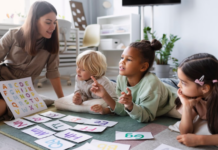
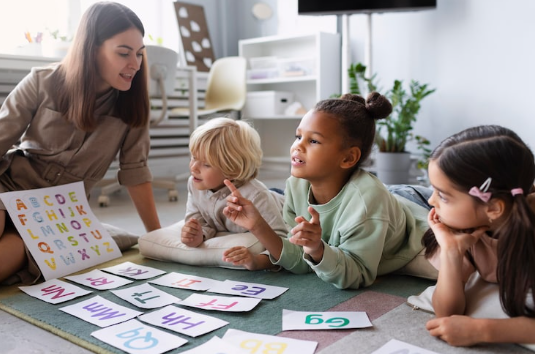
One of the primary focuses of a preschool program is developing strong language and communication skills. Through storytelling, singing, group discussions, and interactive play, children expand their vocabulary and improve sentence formation.
Teachers encourage children to express their thoughts and feelings clearly, which boosts confidence and strengthens listening skills. Early exposure to reading activities also builds phonemic awareness, helping children recognize sounds and letters in preparation for kindergarten.
2. Early Math and Cognitive Development
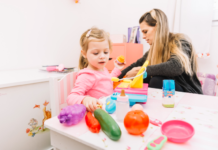
Full day preschool programs introduce children to basic math concepts in fun and engaging ways. Counting objects, identifying shapes, recognizing patterns, and understanding simple measurements are all part of daily activities.
These exercises stimulate cognitive development and problem-solving abilities. A well-designed preschool program integrates math into games and hands-on activities, allowing children to grasp concepts naturally while enjoying the learning process.
3. Social and Emotional Growth
Social interaction is a major component of any preschool program. Children learn how to share, take turns, cooperate, and resolve minor conflicts with peers. Teachers guide them in understanding emotions, practicing empathy, and building friendships.
Emotional regulation skills, such as managing frustration and expressing feelings appropriately, are also emphasized. These abilities are essential for smooth transitions into elementary school and beyond.
4. Fine and Gross Motor Skills
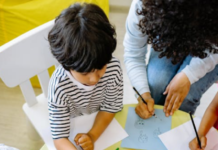
Physical development is another key area addressed in full day preschool settings. Activities such as drawing, coloring, cutting with scissors, and building with blocks enhance fine motor skills and hand-eye coordination.
Outdoor play, dancing, and structured movement exercises strengthen gross motor skills and overall physical health. By incorporating both active play and creative tasks, preschool programs ensure balanced development.
5. Independence and Self-Care Skills
A structured preschool program encourages children to develop independence and responsibility. Simple tasks like organizing personal belongings, cleaning up after activities, and following classroom routines teach accountability.
Children also practice basic self-care skills such as washing hands, managing snacks, and dressing themselves. These daily habits foster confidence and prepare them for the expectations of kindergarten.
6. Creativity and Critical Thinking
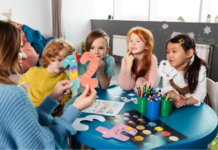
Creativity is nurtured through art projects, imaginative play, music, and storytelling. Children are encouraged to explore ideas, ask questions, and think critically.
Teachers provide open-ended activities that allow students to experiment and solve problems independently. This approach builds curiosity and a lifelong love for learning.
Conclusion
A full day preschool program offers much more than simple childcare; it lays the groundwork for academic achievement and personal growth. By focusing on language development, early math skills, social-emotional learning, physical coordination, independence, and creativity, these programs prepare children for a successful transition to kindergarten. Investing in quality early education ensures that children develop the confidence, skills, and enthusiasm needed to thrive in their future educational journey.