Early childhood is a period filled with rapid growth. A child’s brain develops faster during these years than at any other time in life. Every experience and every interaction determines how they think, feel, and learn.
This stage is not just about learning numbers and letters. It is about building the base for everything. Children begin to form habits, attitudes, and emotional patterns very early. These patterns stay with them for years.
In this article, we will discuss 5 reasons why you should choose the right pre school for your kid. Read on.
Building a Good Foundation
A child’s first learning experiences play a major role in determining their academic journey. When children are introduced to structured learning in a positive way, they develop a natural interest in gaining knowledge. This early exposure makes future learning easier and more enjoyable.
The right preschool environment focuses on understanding rather than memorization. It encourages children to ask questions, explore ideas, and engage with the world around them. This approach builds critical thinking skills that continue to grow over time.
Language development is another key benefit. Children learn how to communicate clearly, express their thoughts, and understand others. These skills are essential not only for academics but also for everyday interactions.
Supporting Social and Emotional Growth
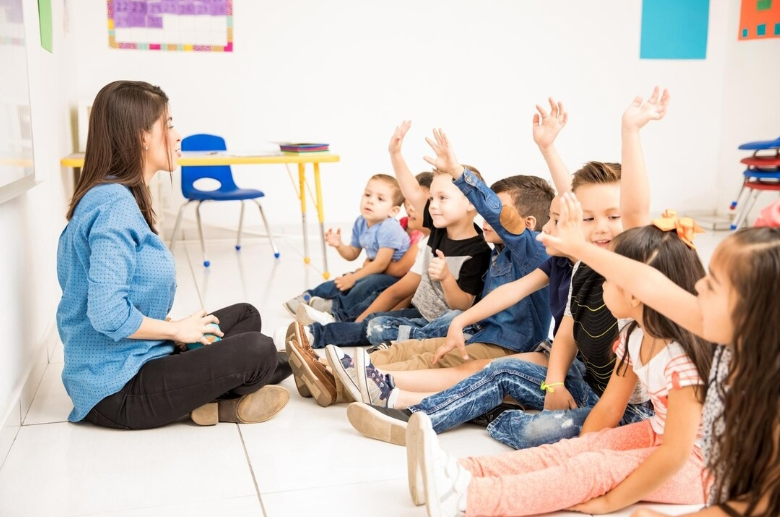
Children do not grow in isolation. They learn by interacting with others, observing behaviors, and responding to different situations. Early learning environments provide a space where these interactions happen naturally.
In such settings, children learn how to share, cooperate, and resolve conflicts. They begin to understand emotions. These experiences help them develop empathy and emotional awareness.
Social skills are not always taught directly. They are learned through play, group activities, and everyday interactions. A well-structured environment ensures that these experiences are positive and meaningful.
Encouraging Curiosity, Creativity, and Confidence
Children are naturally curious. They ask questions, explore objects, and experiment with new ideas. The right environment nurtures this curiosity instead of limiting it.
Creative activities such as drawing, storytelling, and imaginative play allow children to express themselves freely. These activities are not just for fun. They help develop problem-solving skills and encourage independent thinking.
Confidence grows when children feel valued and supported. When their ideas are acknowledged, they begin to trust their abilities. This trust becomes the foundation for future achievements.
Creating Healthy Routines
Routine provides structure, and structure creates a sense of stability. Children develop in environments where they know what to expect. Predictable schedules help them feel secure and focused.
Daily activities such as playtime, learning sessions, and rest periods teach children how to manage their time. These habits may seem simple, but they play a significant role in developing discipline. These habits extend beyond the classroom. They influence behavior at home and in other social environments.
Preparing Children for a Smooth Academic Transition
The transition to formal schooling can be challenging for some children. New environments, new expectations, and new routines can feel difficult. Early preparation makes this transition smoother and less stressful.
Children who are familiar with structured learning adapt more easily. They understand how classrooms work, how to follow instructions, and how to interact with teachers and peers.