

















Early childhood is a crucial time for learning and development. The experiences children have during these formative years can shape their social skills, cognitive growth, and emotional well-being. Choosing the right environment for your child can make a significant difference, and a preschool facility offers an ideal setting for children to explore, learn, and grow. This article will explain how a preschool facility supports your child’s early learning journey and why it can be a valuable part of their development.
Understanding the Role of a Preschool Facility
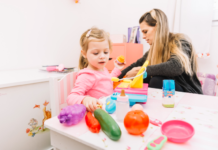
A preschool facility is more than just a place for children to stay while parents are at work. It is a structured environment designed to encourage learning through play, exploration, and guided activities. Trained educators create experiences that help children develop essential skills in a safe and nurturing setting. These early experiences help children build confidence, curiosity, and independence, preparing them for the next stages of education.
Supporting Cognitive Development
One of the primary benefits of a preschool facility is the support it provides for cognitive development. Through age-appropriate activities, children learn basic concepts such as numbers, letters, shapes, and colors. Storytime, interactive games, and hands-on learning projects encourage critical thinking and problem-solving. These experiences give children a strong foundation for future learning, making the transition to elementary school smoother and more enjoyable.
Enhancing Social Skills
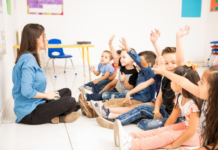
A preschool facility also plays a vital role in developing social skills. Children interact with peers and teachers daily, learning how to communicate effectively, share, and cooperate. Group activities and collaborative projects teach children about teamwork and empathy. These social interactions help children understand emotions, build friendships, and develop the confidence to express themselves in different situations. Early social development is key to building positive relationships throughout life.
Fostering Emotional Growth
Emotional growth is another important aspect of early childhood that a preschool facility nurtures. Teachers provide a supportive environment where children can explore their feelings and learn how to manage them. Activities such as role-playing, storytelling, and guided discussions help children understand their emotions and the emotions of others. Developing emotional intelligence at an early age can improve a child’s ability to cope with challenges, handle stress, and develop resilience.
Encouraging Creativity and Curiosity
Preschool facilities are designed to spark creativity and curiosity in children. Art, music, and imaginative play allow children to explore their interests and express themselves. Science and nature activities encourage exploration and discovery, helping children develop a love for learning. By fostering creativity and curiosity, a preschool facility helps children become independent thinkers who enjoy exploring new ideas and solving problems.
Preparing for a Lifelong Love of Learning
Attending a preschool facility sets the stage for a lifelong love of learning. Children who have positive early learning experiences are more likely to be engaged, confident, and motivated in their future education. The skills, habits, and attitudes developed in preschool form the foundation for academic success and personal growth. By investing in early education, parents give their children the tools to thrive both in school and beyond.
Conclusion
A preschool facility offers children a supportive and stimulating environment where they can grow, learn, and thrive. By promoting cognitive development, social skills, emotional growth, and creativity, preschool prepares children for the challenges and opportunities of school and life. Choosing the right preschool facility can provide your child with the experiences they need to develop a strong foundation for learning, confidence, and lifelong success.