





















Child care plays a crucial role in the early development and well-being of children. It offers them an environment where they can learn, grow, and socialize. Quality child care has become essential for working parents and families with busy schedules. Child care centers not only provide a convenient service, but they also set the stage for your child’s successful school life. It contributes to a child’s development during their formative years.
Here, we will explore why child care is so important and its benefits for a child’s development.
1. Early Childhood Education Promotes Learning Through Play
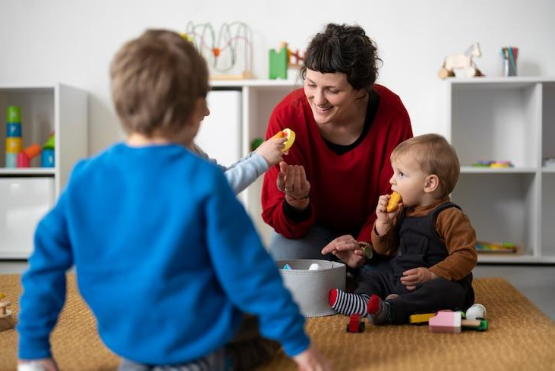
Early learning centers play a vital role in promoting learning through play. These centers provide a safe and stimulating environment for learning. They encourage children to explore, experiment, and learn. Through play-based activities like interactive storytelling, puzzles, and art and crafts, kids develop essential skills. These skills include creativity, critical thinking, and problem-solving. Moreover, learning through play helps children develop and improve their social skills like communication, empathy, and cooperation. Social skills help them to interact with other children, peers, and caregivers effectively.
2. Child Care Fosters Cognitive Development
Early childhood is a time of rapid brain development. Child care centers play a vital role in fostering cognitive growth. Educators create age-appropriate learning activities, such as reading, problem-solving games, and hands-on exploration. These activities stimulate children’s intellectual abilities. Additionally, children are exposed to language through storytelling, music, and conversation in their early childhood. It helps build vocabulary and communication skills. It sets the stage for academic success in later years. Overall, these child care programs help in your child’s cognitive development by improving communication and intellectual skills.
3. Child Care Centers Help Your Child Develop Social Skills
One of the significant benefits of child care for your child is the development of social skills. Child care provides an ideal environment for children to improve their socialization skills. Children in child care have the opportunity to interact with their peers. It helps them develop important social skills such as cooperation, empathy, and communication. Through group activities, free play, and guided interactions, children learn to share, take turns, and respect others. These skills are essential for building friendships and thriving in school life.
4. Child Daycares Help in Emotional Development
Child care environments offer consistent routines and emotionally supportive educators. They help children build a sense of security and emotional resilience. Children learn how to manage their emotions and build self-esteem. Educators offer guidance on how to cope with frustrations, express feelings, and solve conflicts in a positive way. By fostering an emotionally supportive environment, child care centers help children grow emotionally and develop strong self-regulation skills.
5. Early Learning Centers Help in Physical Development and Health
Physical development and health are crucial aspects of early childhood development. During these formative years, children develop their motor skills. Child care contributes to the physical well-being of children. Programs that incorporate outdoor play and physical activities help improve motor skills, coordination, and overall health. In addition, well-managed child care centers follow strict hygiene and nutrition protocols. They promote a healthy lifestyle from an early age.